E-commerce — Cappelen Damm
Replaced a legacy e-commerce platform for Norway's largest publisher with a unified, scalable webshop — expanding from 3 user groups to 7+, eliminating content bottlenecks, and consolidating fragmented systems into one experience.
Product designer · 9 developers · 1 product manager
About Cappelen Damm
Cappelen Damm is Norway's largest publisher, selling to readers, students, and institutions through both direct and institutional channels.
Challenges
As the sole designer embedded in a nine-person development team, the stakes were significant. A failed migration risked revenue disruption and operational breakdown.
Scale
Redesigning the entire webshop while scaling from 2–3 to 7+ user groups, each with different needs, permissions, and purchase flows.
Speed
Rapid iterations and tight delivery timelines in a team of nine developers, requiring parallel workstreams without sacrificing design quality.
Complexity
A flexible architecture enabling dynamic changes based on business needs — requiring deep collaboration with developers to manage system complexity.
Silos
Cross-departmental workflows were fragmented. Bridging organisational silos through workshops was as much a part of the work as the interface.
What I delivered
Unified webshop
A modern, cohesive interface unifying previously separate concepts into a single streamlined experience across the full product catalogue.
User group architecture
Designed flows and permission structures supporting 7+ distinct user groups, from individual consumers to institutional buyers and subscription holders.
Workflow redesign
Facilitated workshops and iterative process design to consolidate cross-departmental workflows, improving collaboration between editorial, sales, and tech teams.
How I work
Before designing interfaces, I map the problem space. For the registration flow, that meant auditing the existing experience, identifying friction and drop-off points, then rebuilding the entire user journey from scratch with a cleaner information architecture.
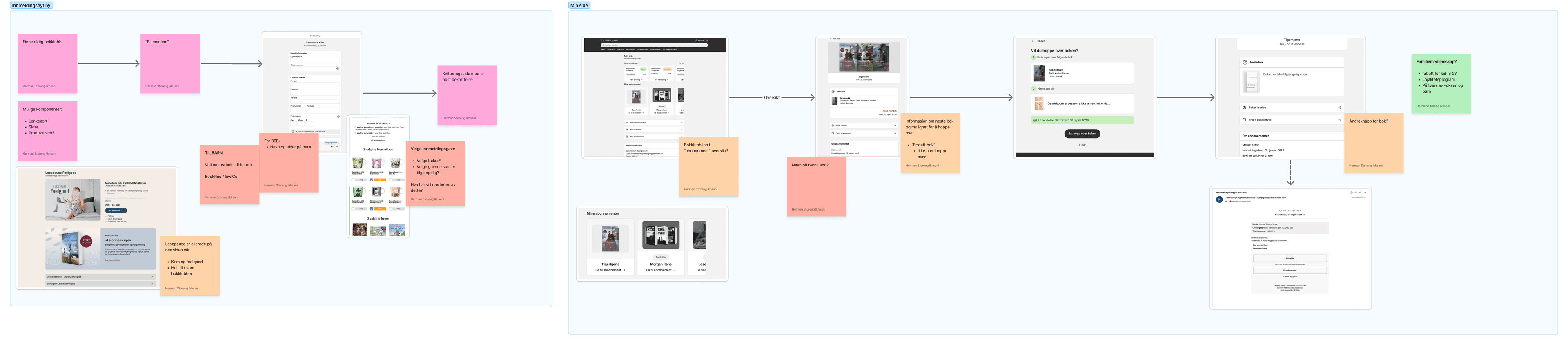
Registration redesign — New user flow mapped in Figma with annotated decision points before any UI was drawn
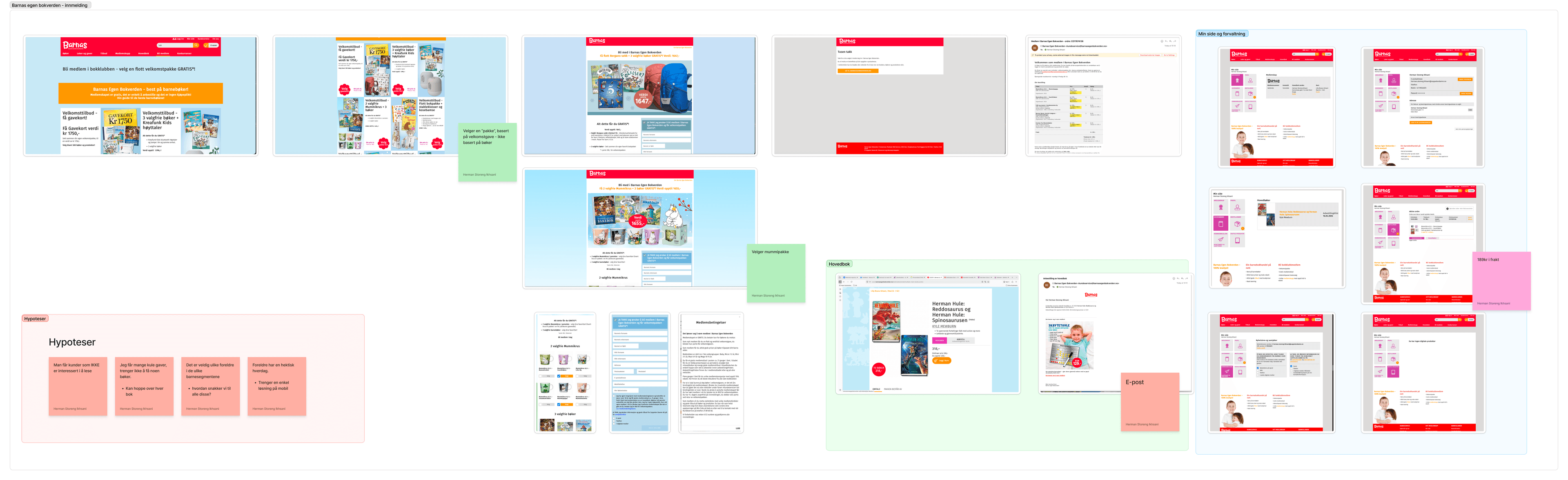
Flow audit — Existing registration experience broken down screen by screen to surface friction and drop-off

Market analysis — Competitor benchmarking and user research informing the product direction
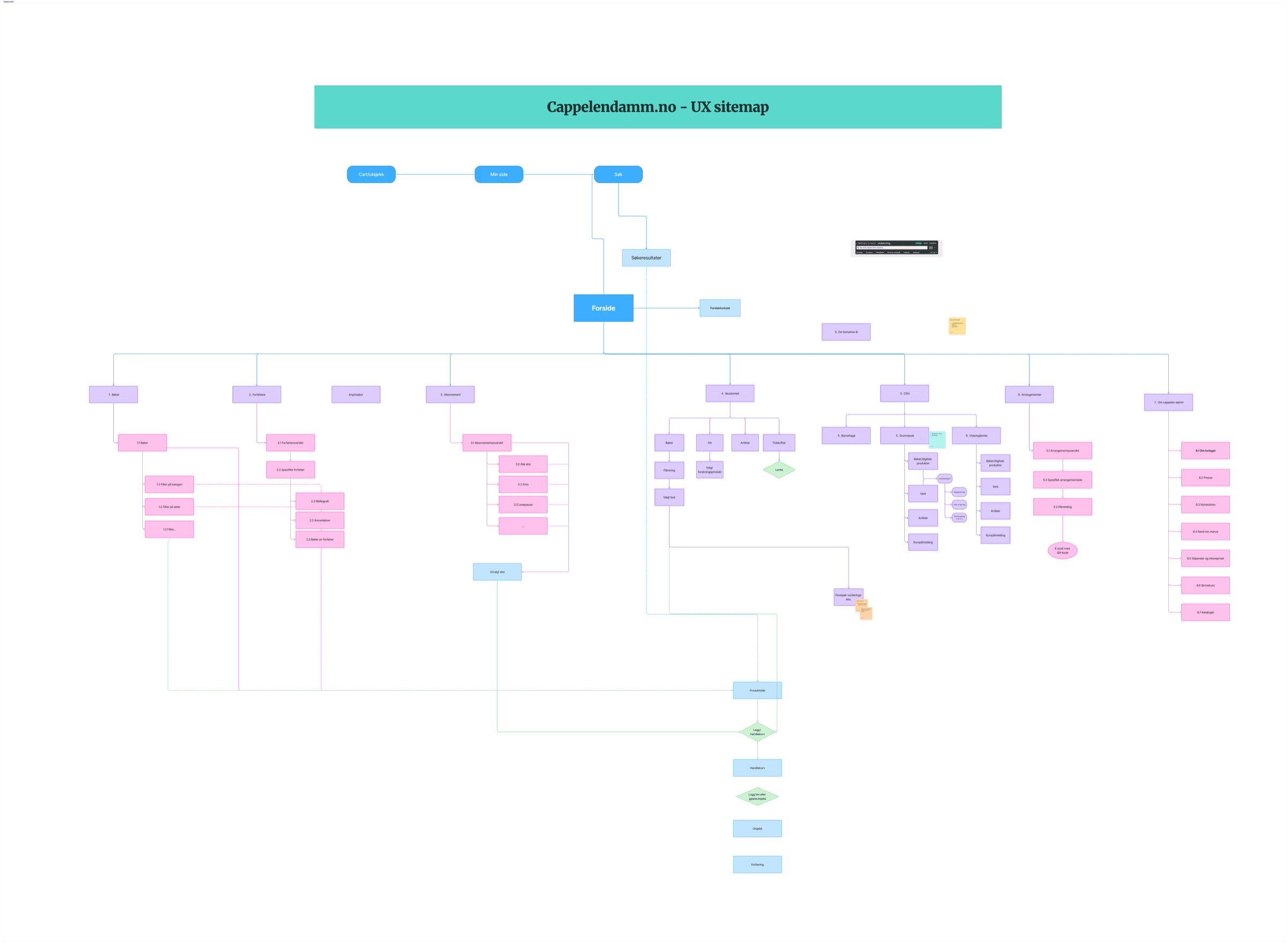
UX sitemap — Full information architecture mapped to ensure changes work across the website
The result
The platform is live in production. Content updates that previously took days or weeks now happen in minutes — editors self-serve via CMS templates without touching the development queue. The webshop serves 7+ distinct user groups, up from 3, each with tailored flows and permission structures. The checkout scores 5.5/6 in post-purchase customer feedback — a direct result of designing the purchase flow around user group complexity rather than around the legacy system's constraints.
Good design isn't just interface work — it's reshaping the systems and processes behind the screen.
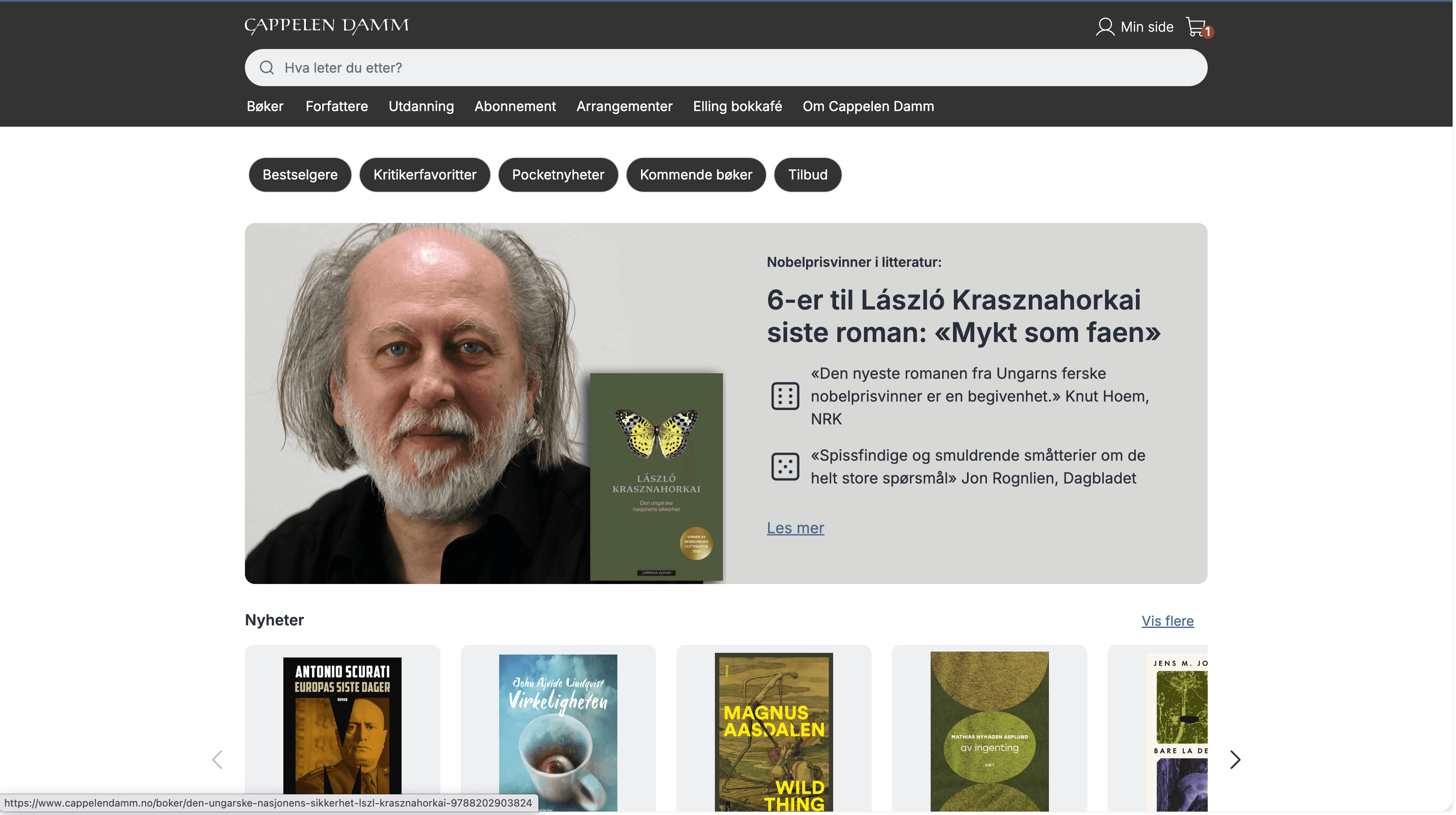
Homepage — I designed modular CMS blocks so editors could reconfigure the storefront weekly without filing a dev ticket. This was the single biggest content bottleneck we eliminated.
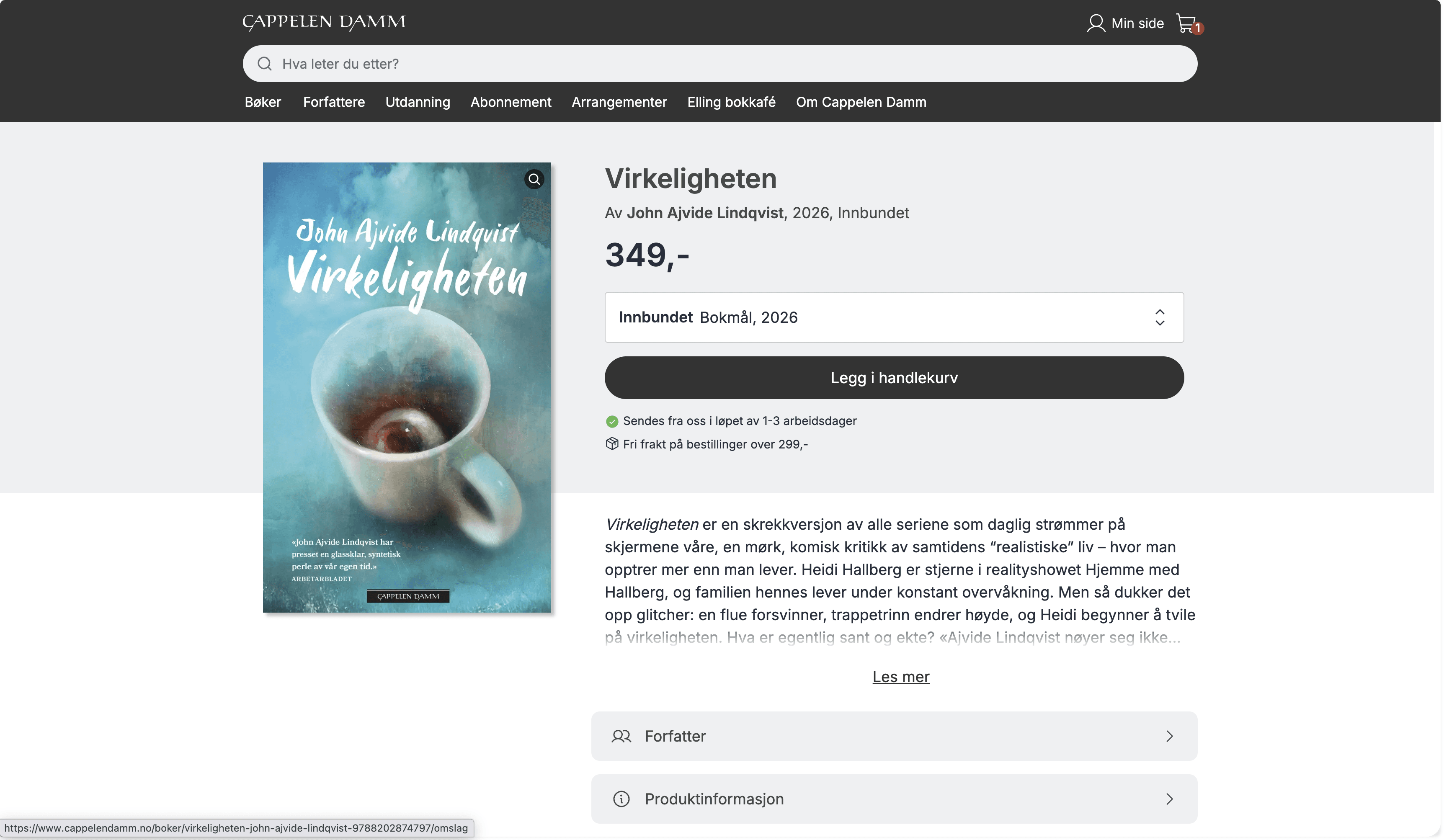
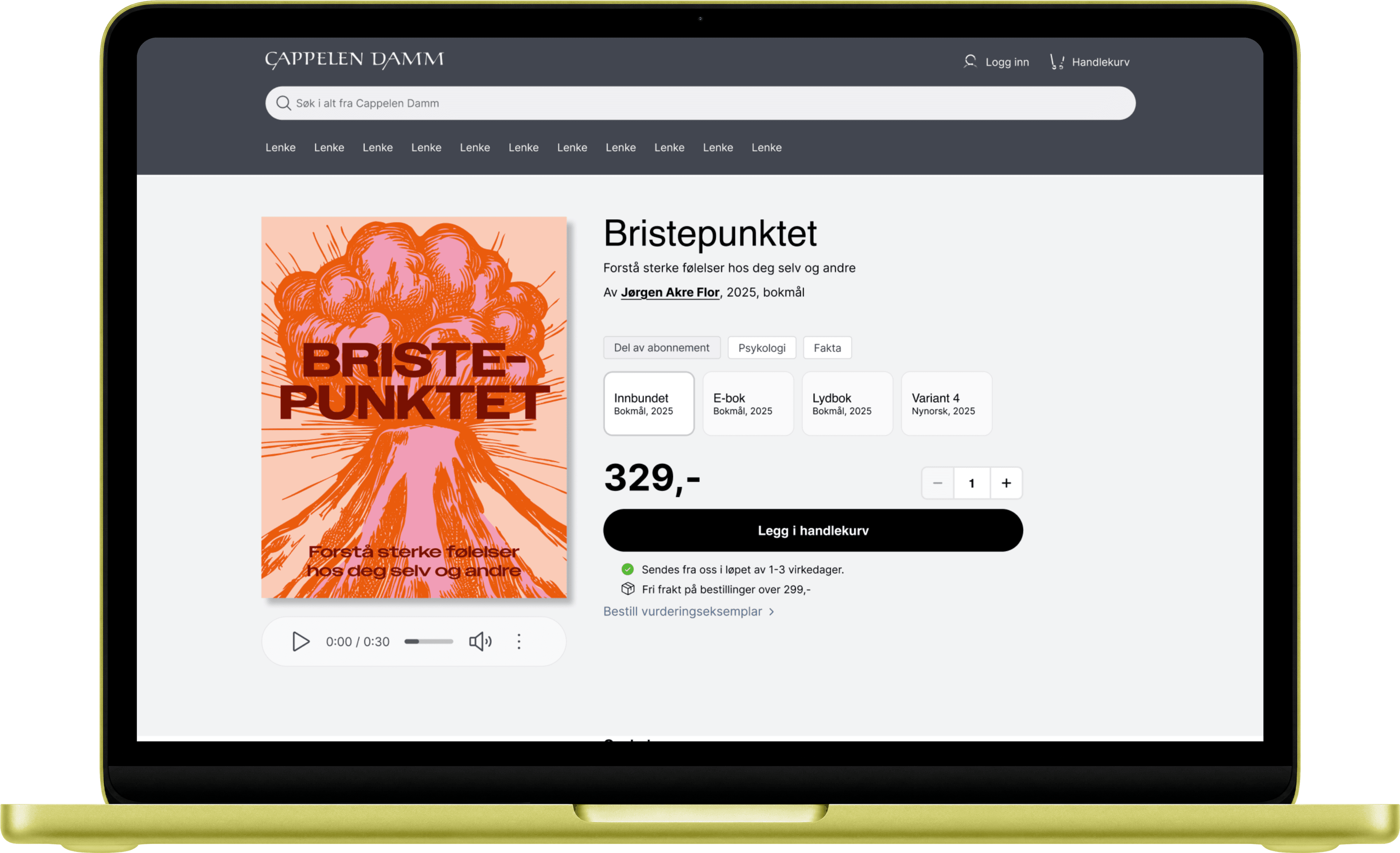
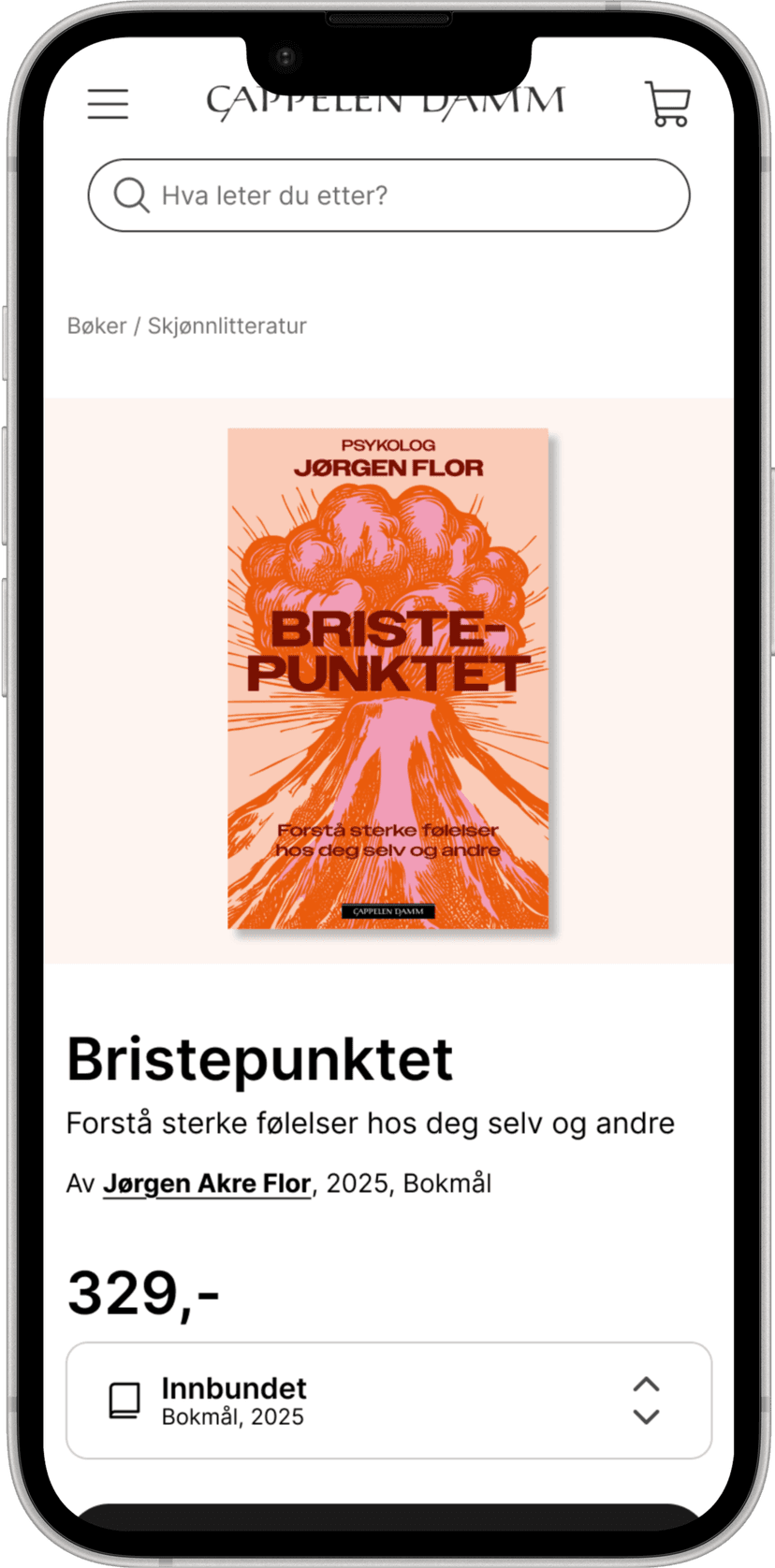
Product page — One template serves 7+ buyer types. The layout adapts based on user group permissions and purchase flow, eliminating the need for parallel page variants.
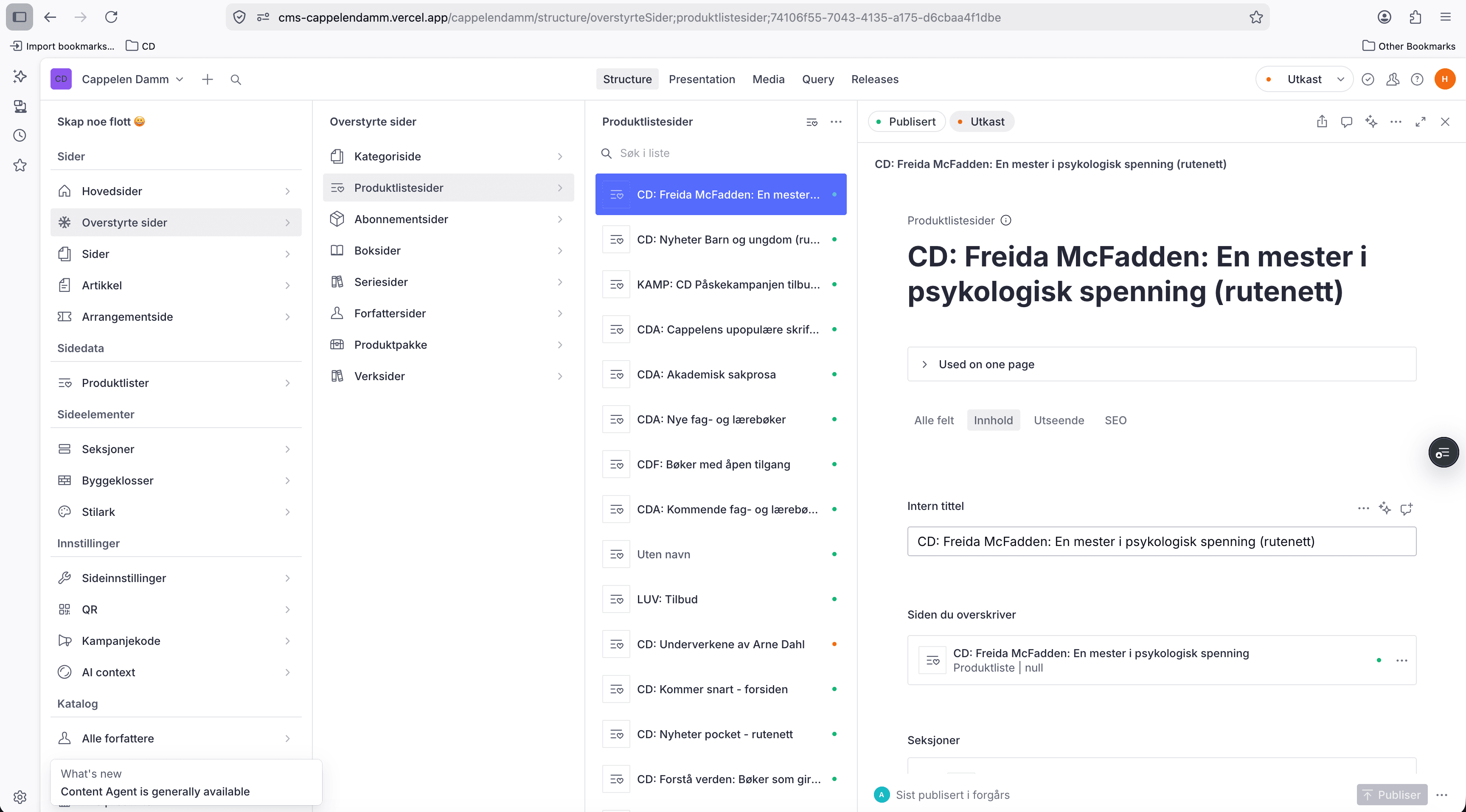
CMS editor — Content teams moved from waiting days on dev support to publishing campaigns in minutes. The template system was designed for editor autonomy from the ground up.
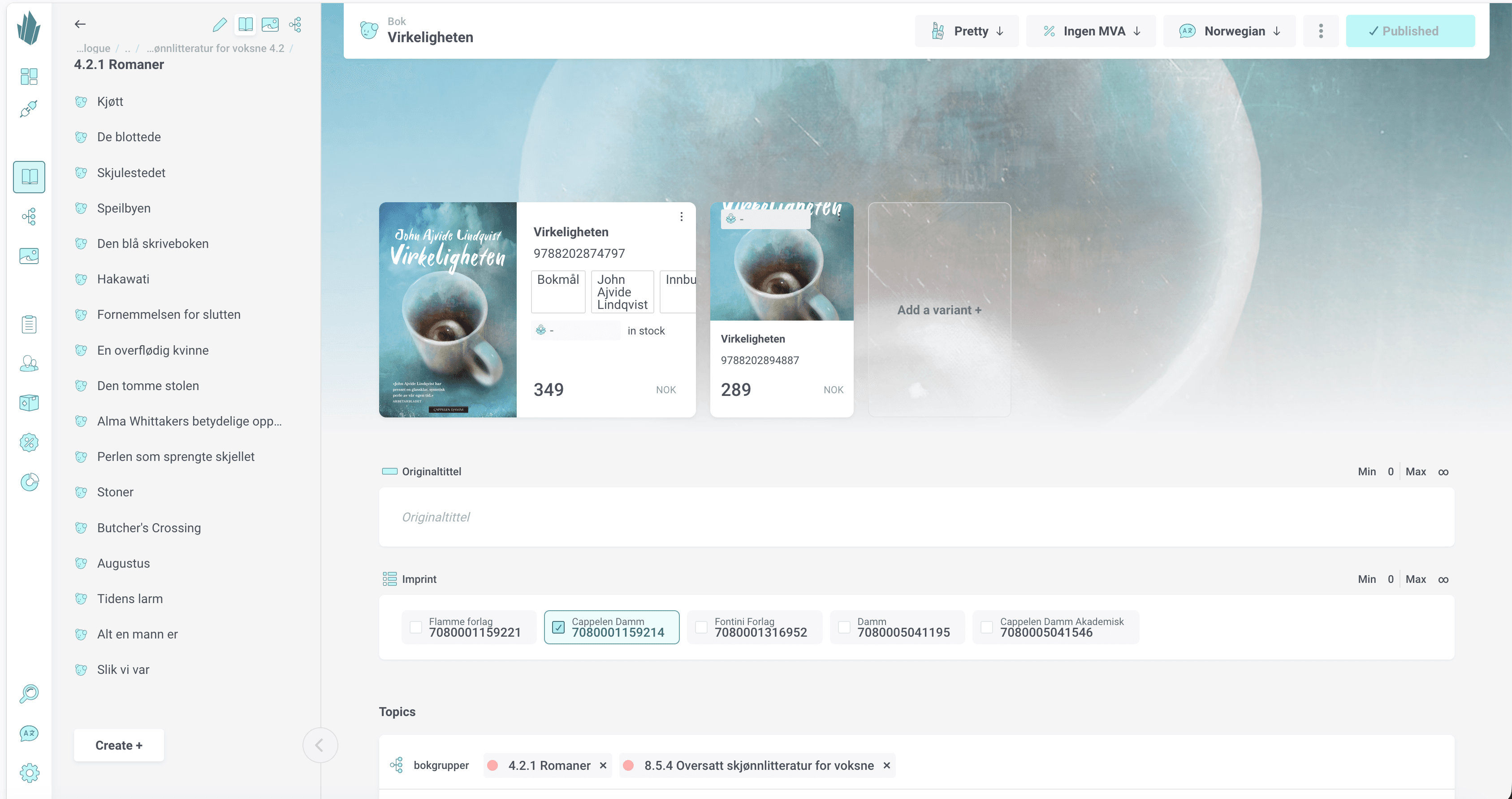
Commerce platform — Crystallize manages variants, pricing, and catalogue structure for all user groups from a single backend. Getting this architecture right was the prerequisite for everything else.